
Chamonix-Zermatt
An iconic traverse connecting two legendary mountain towns with dramatic alpine scenery and technical challenges
Highlights
🌄 Panoramic views: Along the way, hikers are rewarded with breathtaking panoramas of iconic Alpine peaks, including Mont Blanc and the Matterhorn.
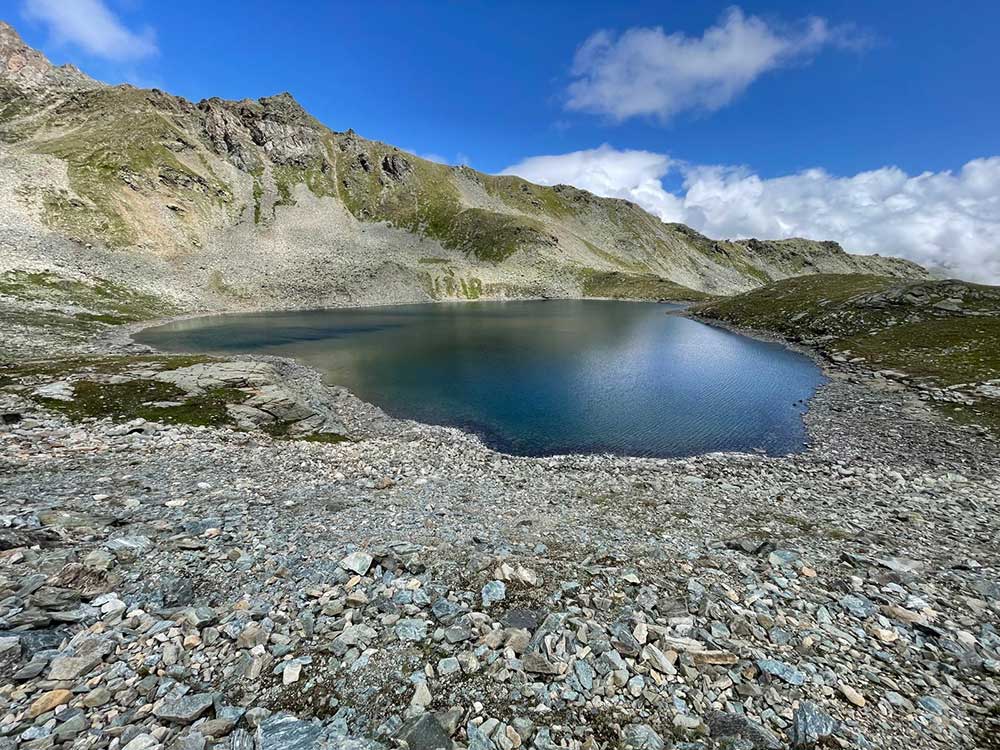
🏞️ Varied landscapes: The route traverses a diversity of Alpine landscapes, including verdant alpine meadows, dense forests, crystal-clear lakes and high-altitude passes, offering a rich and contrasting experience.
🧭 Immersive exploration: This mythical traverse links two historic mountaineering capitals, offering an immersive adventure in the heart of the Alps, ideal for long-distance hiking enthusiasts.
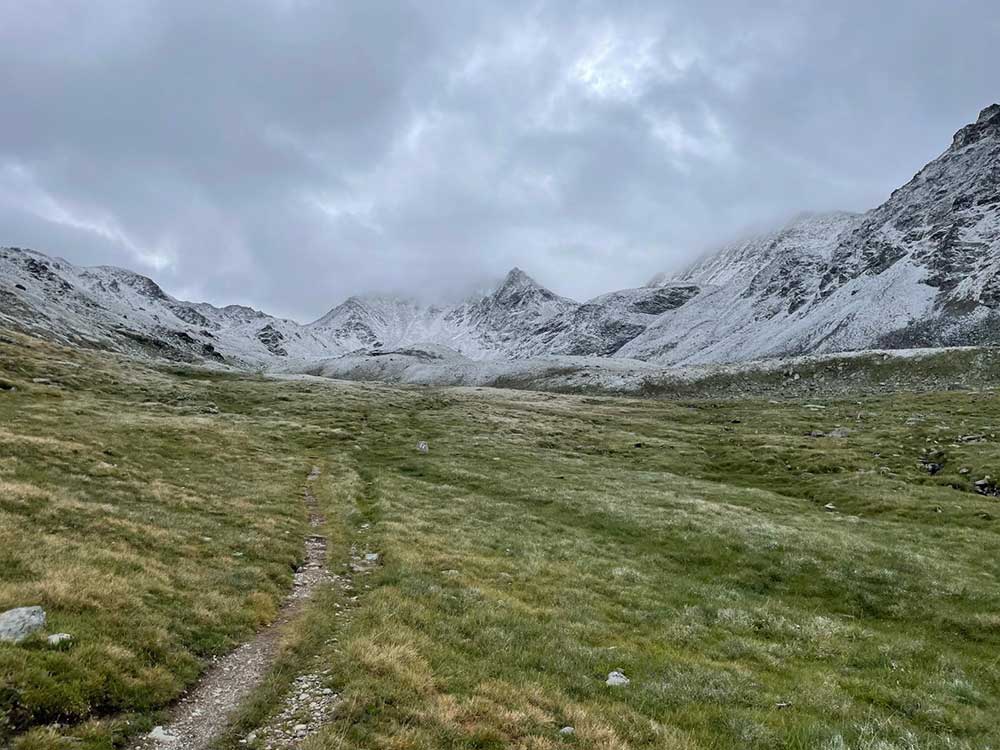
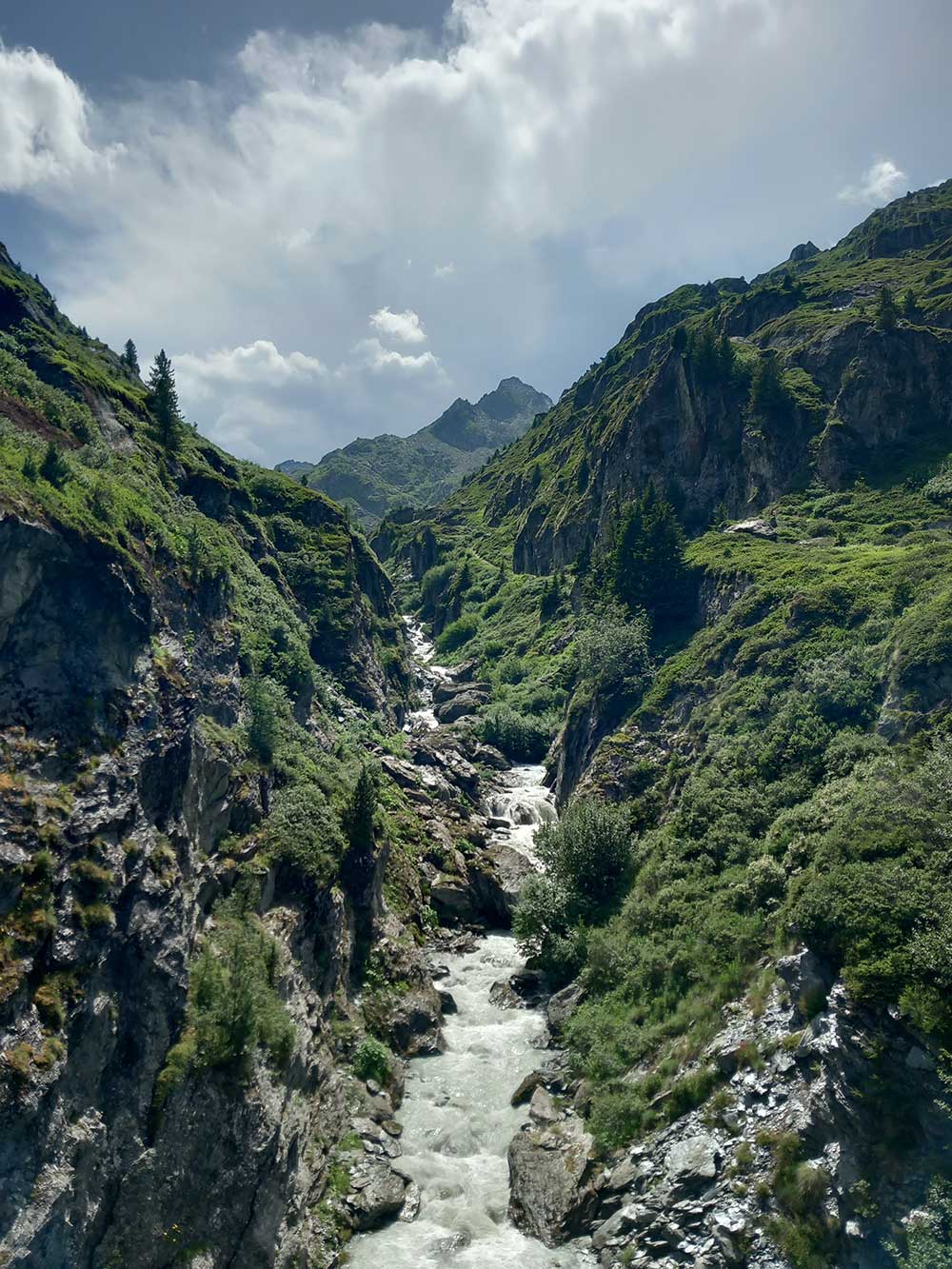
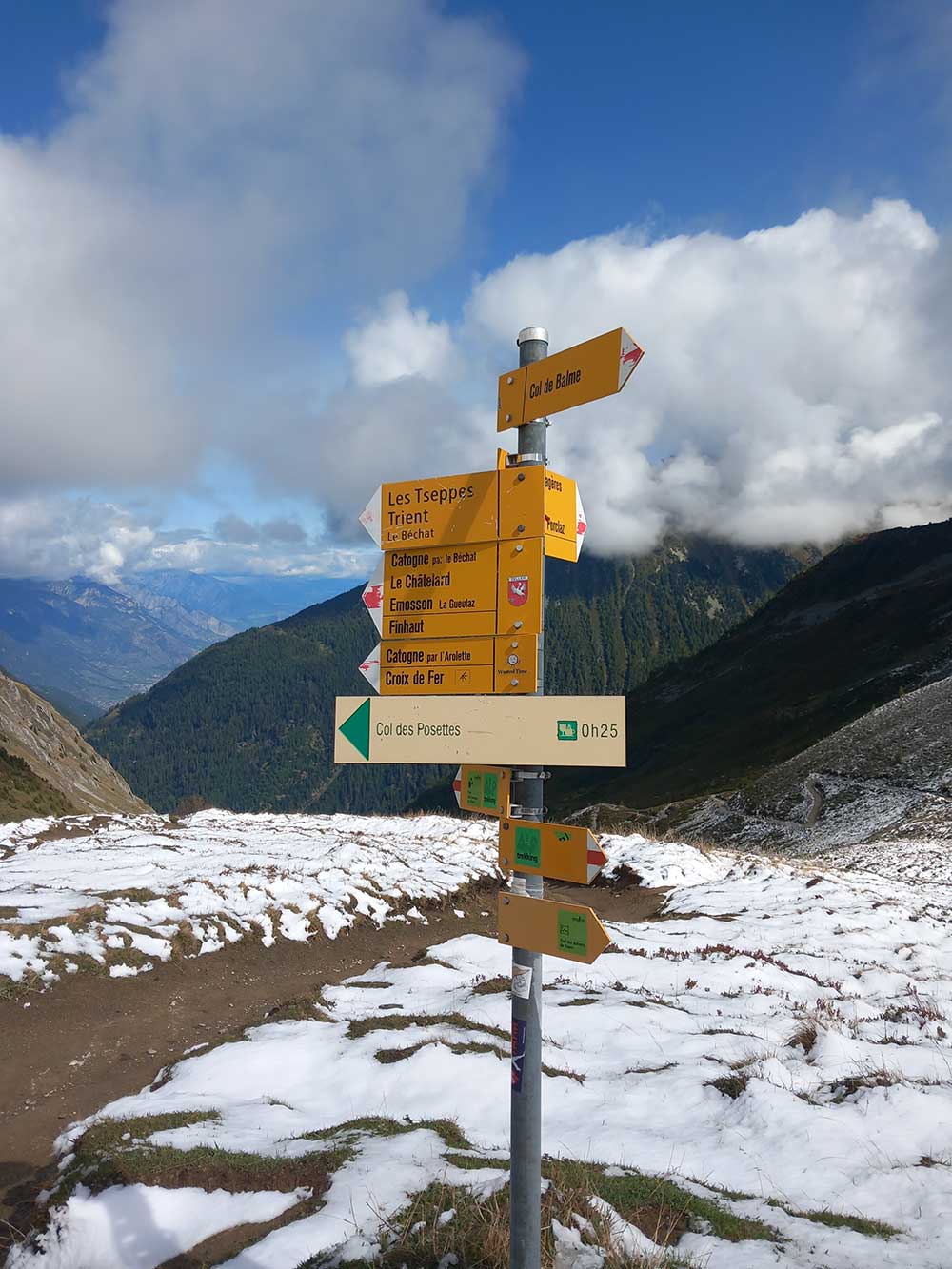
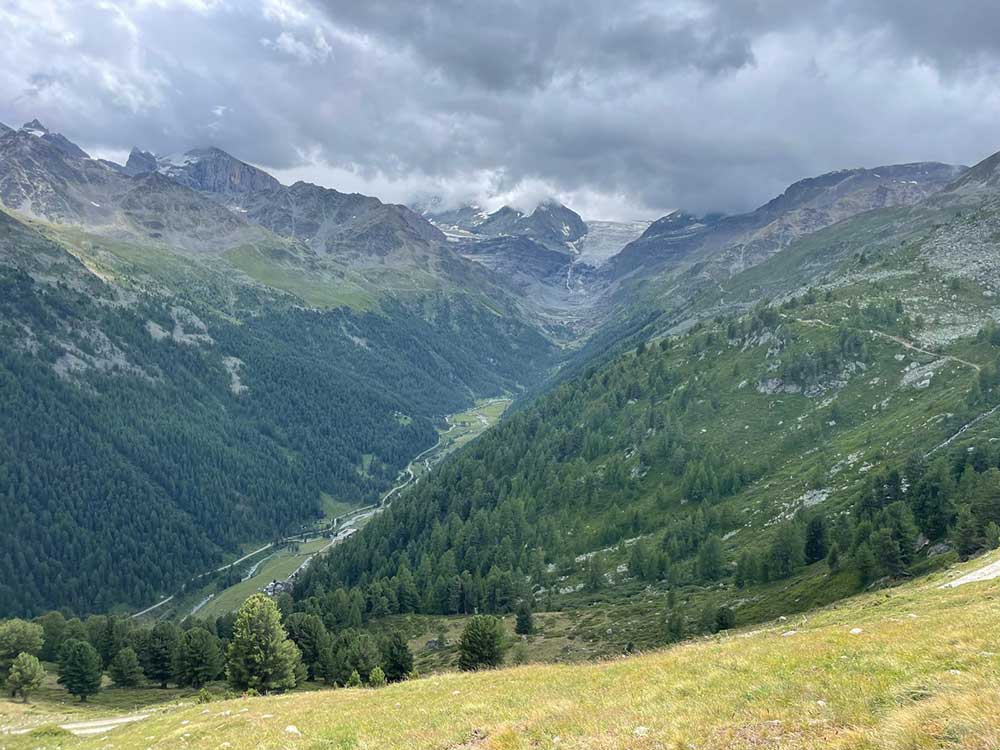
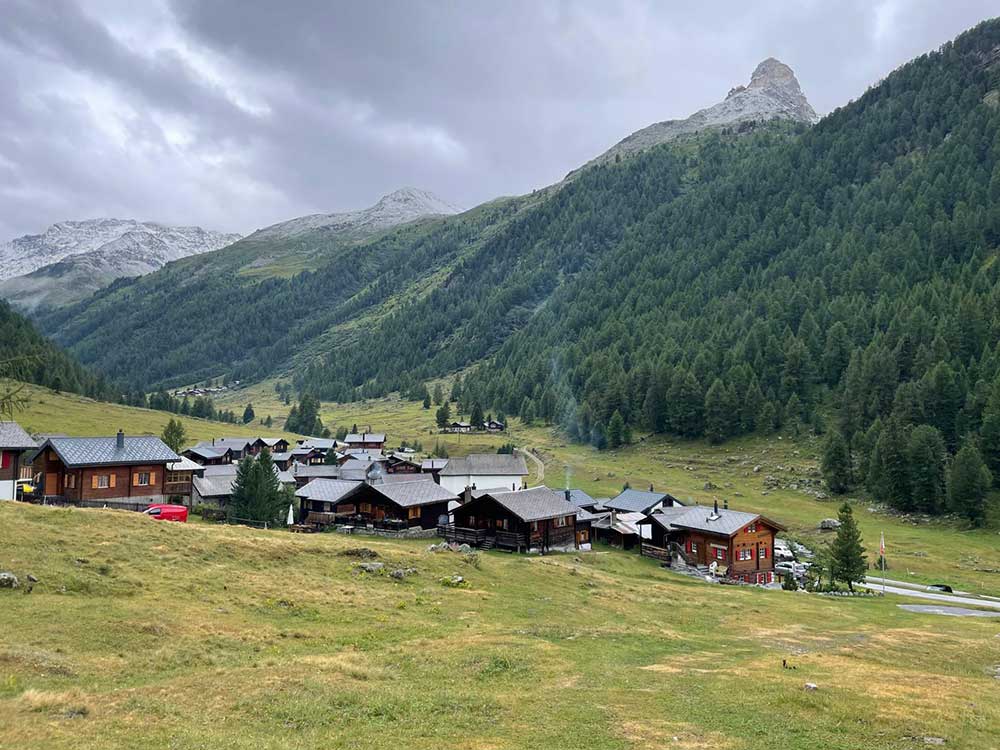
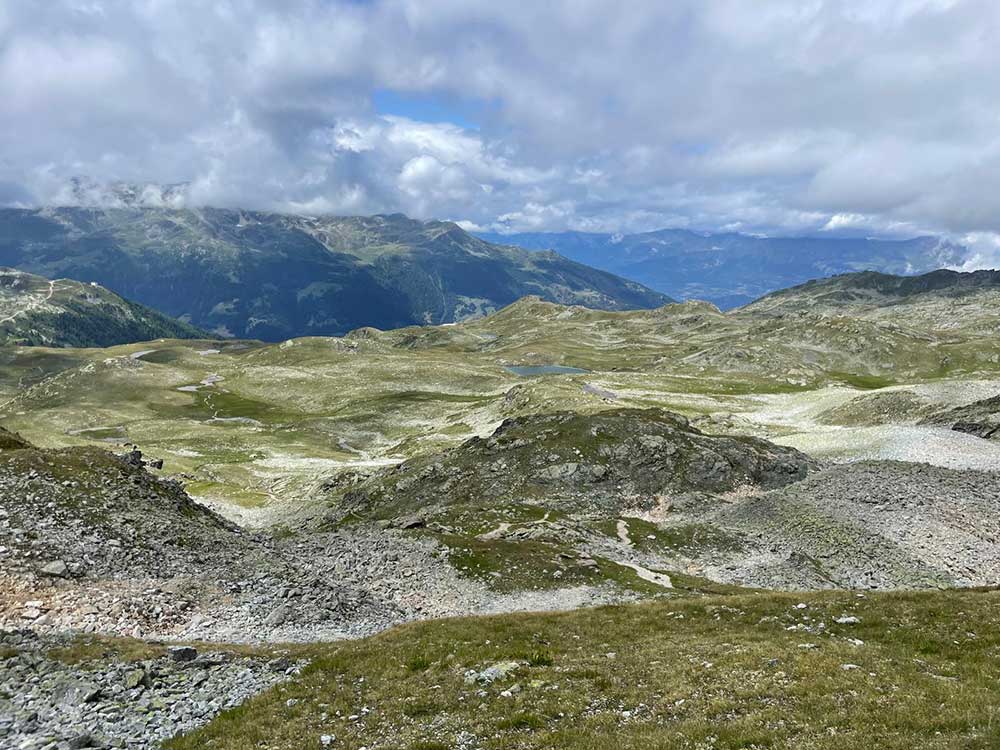
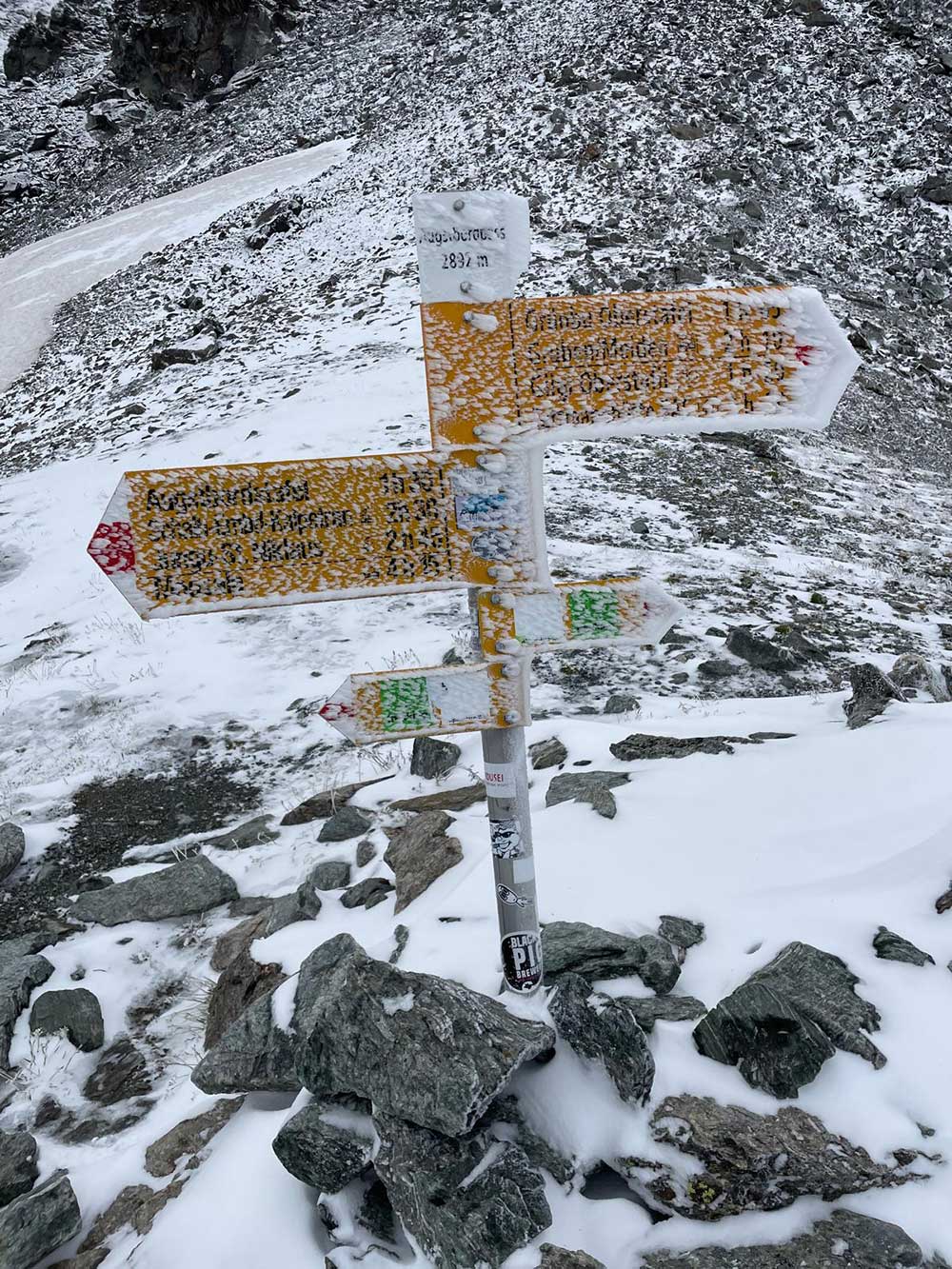
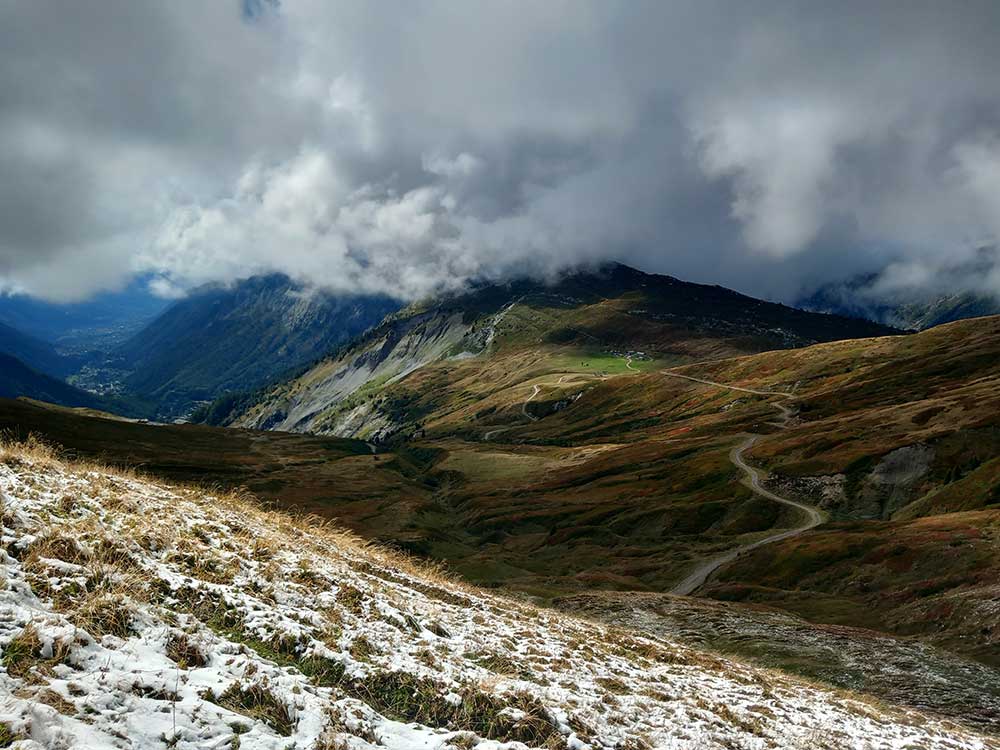
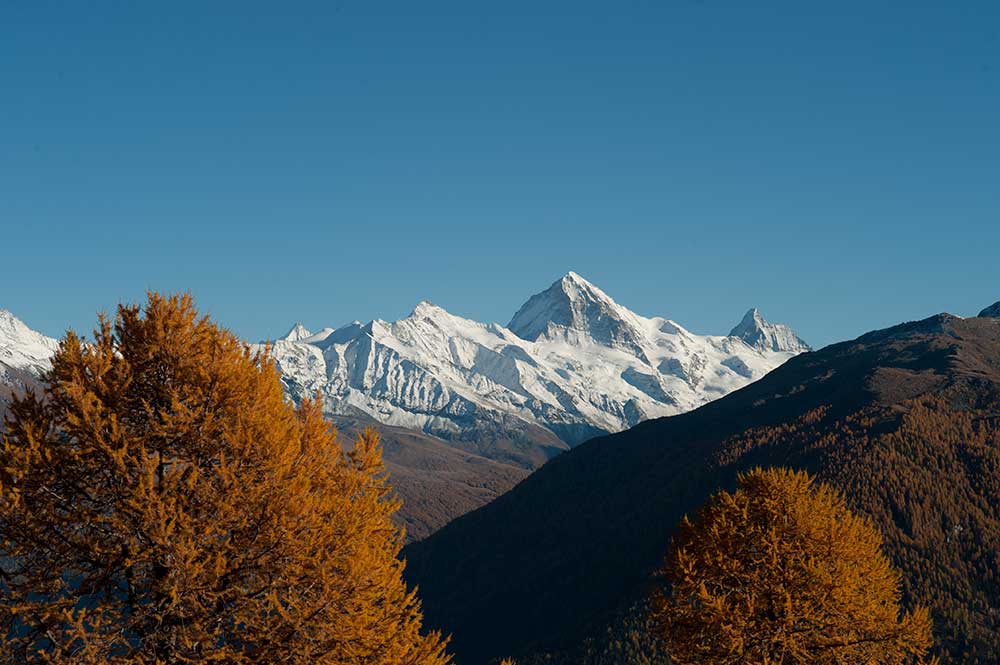
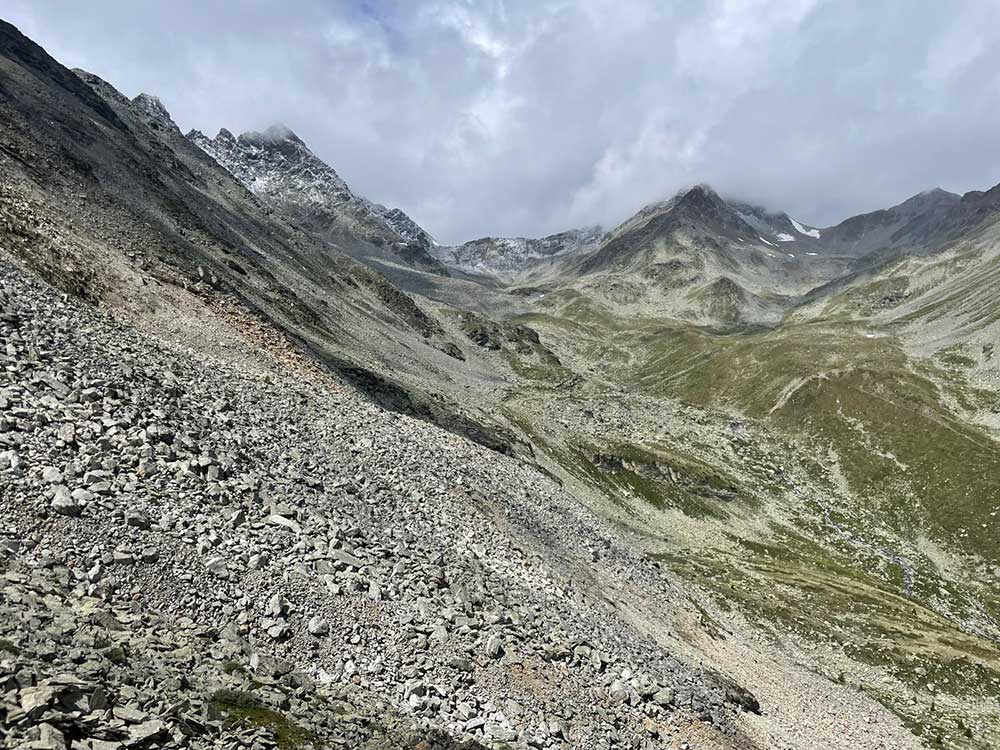
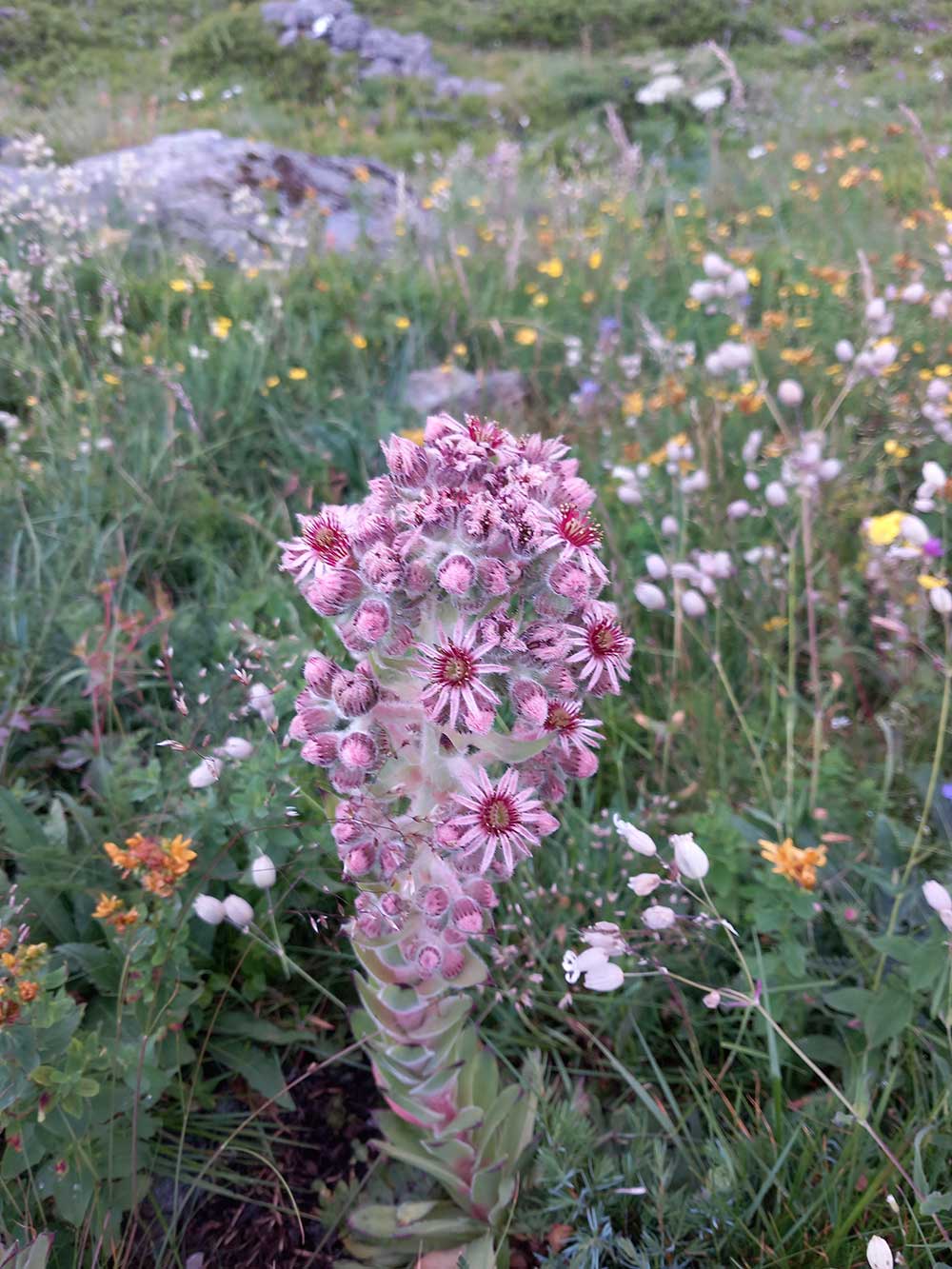
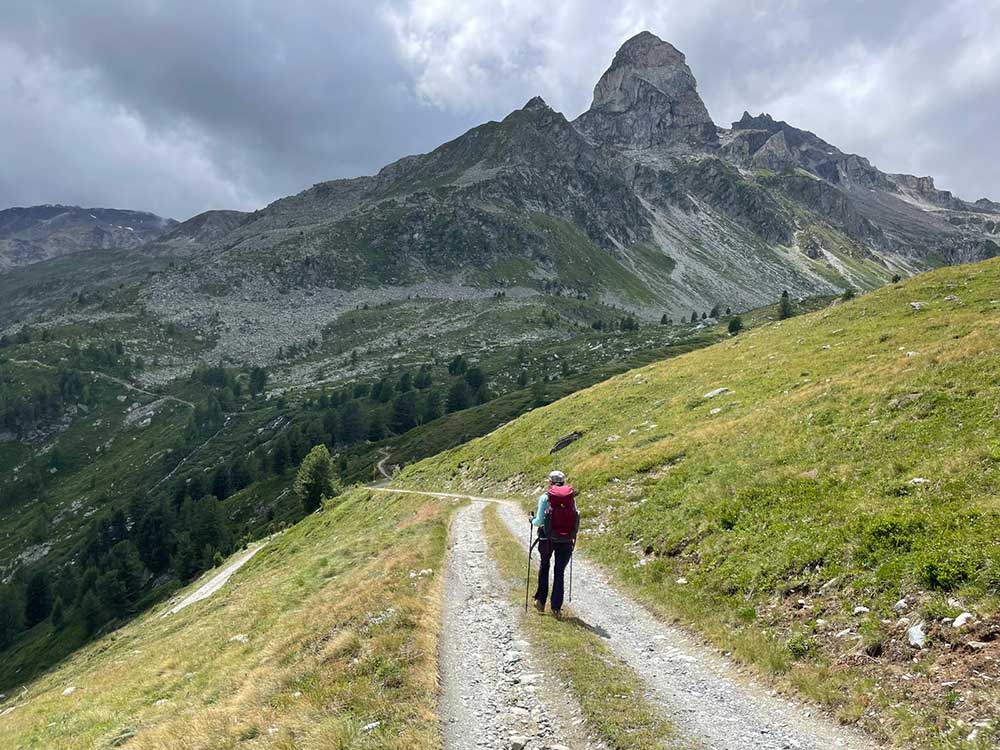
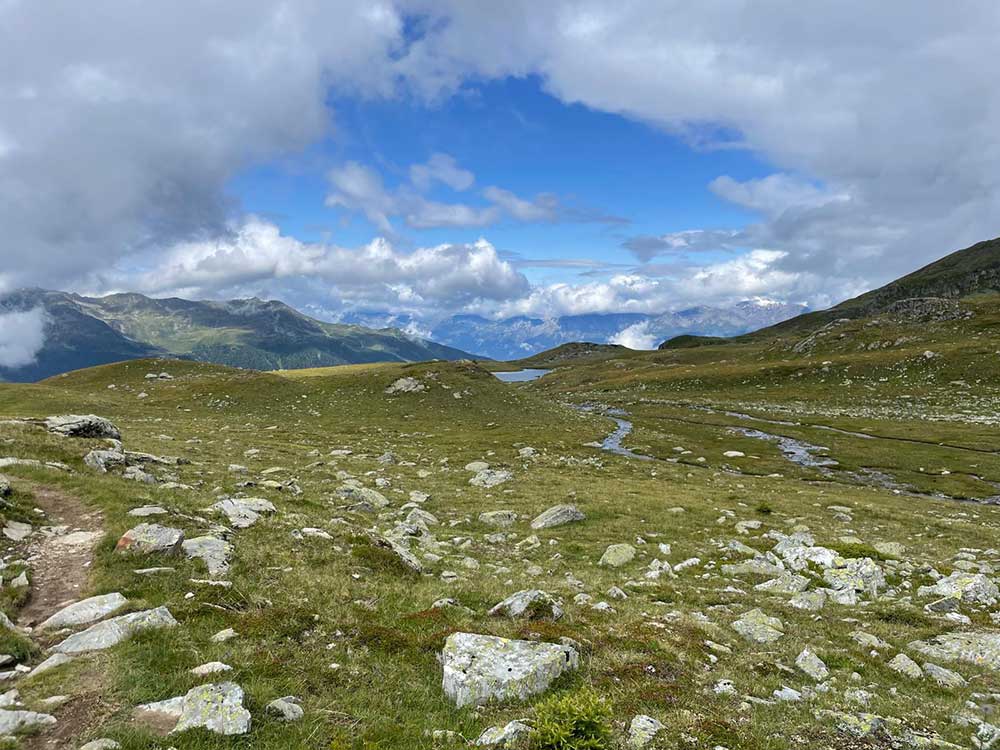
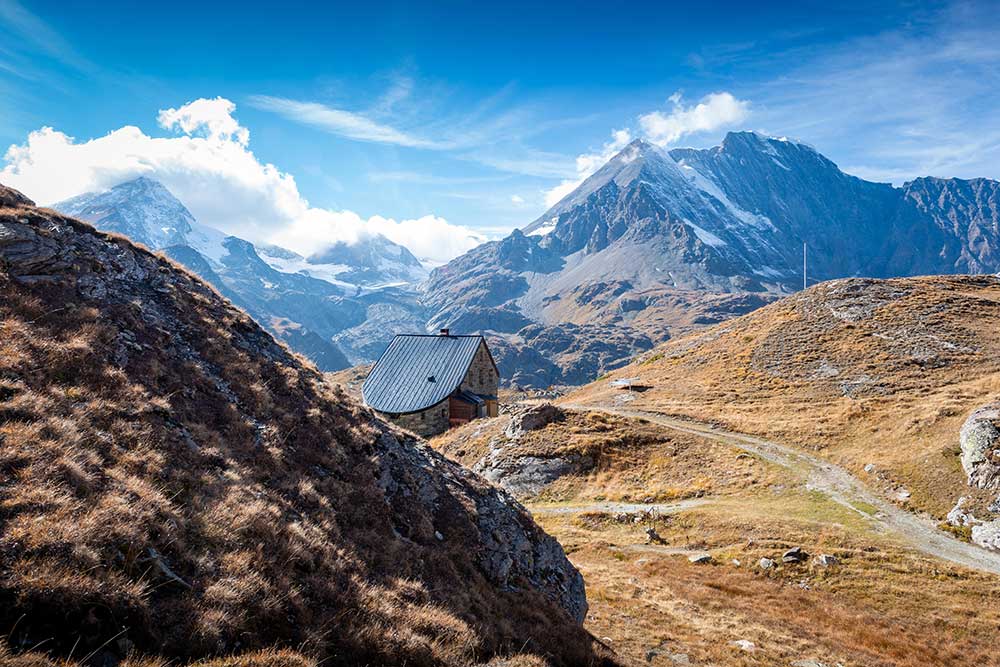
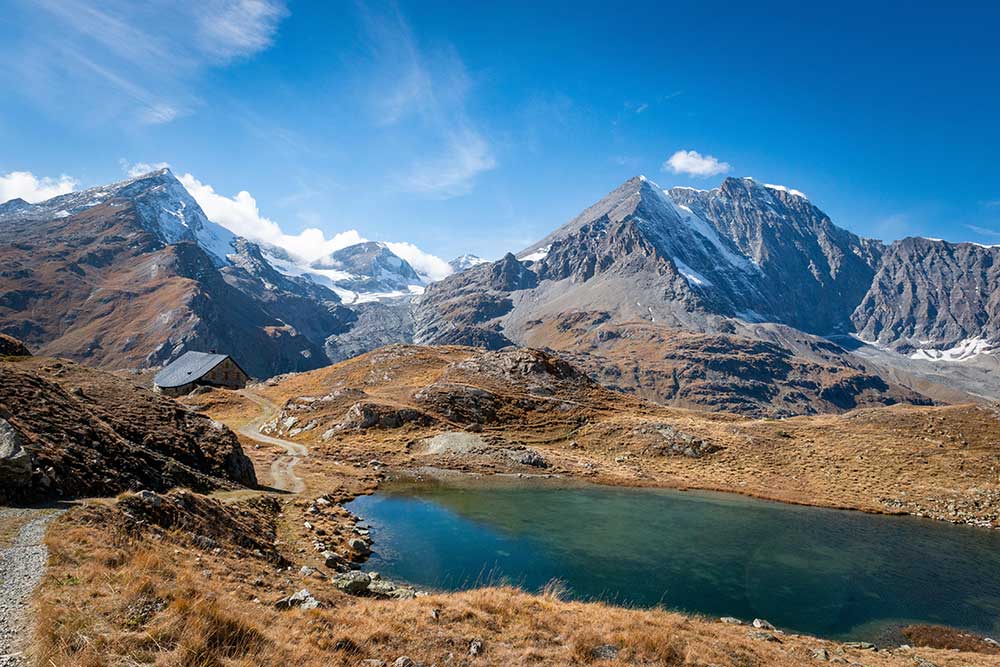
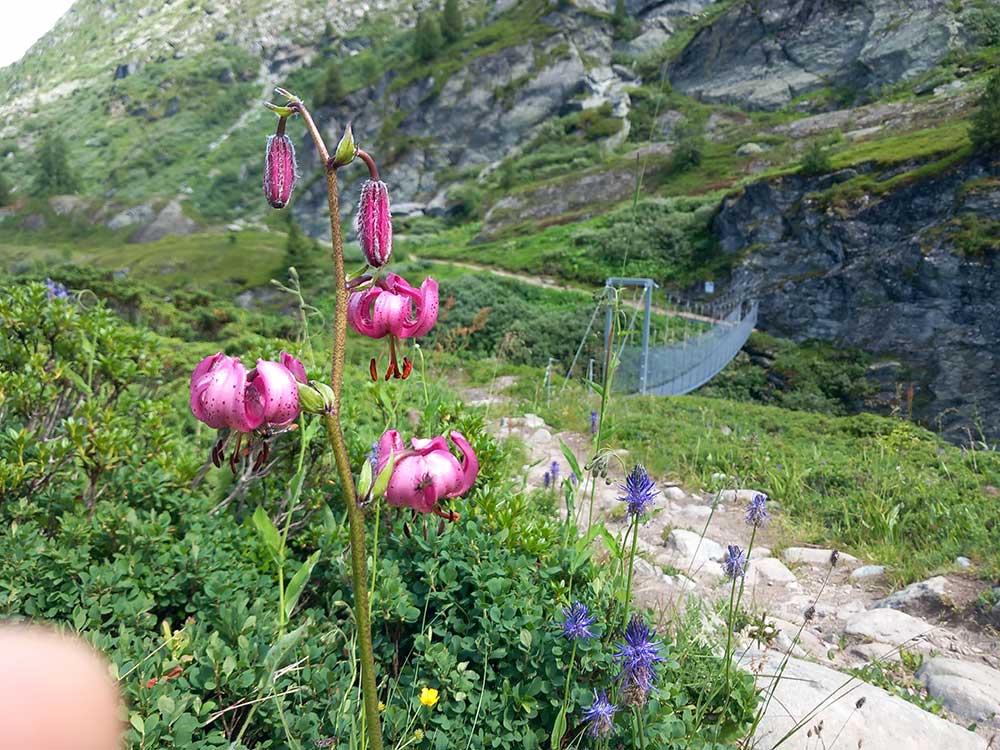
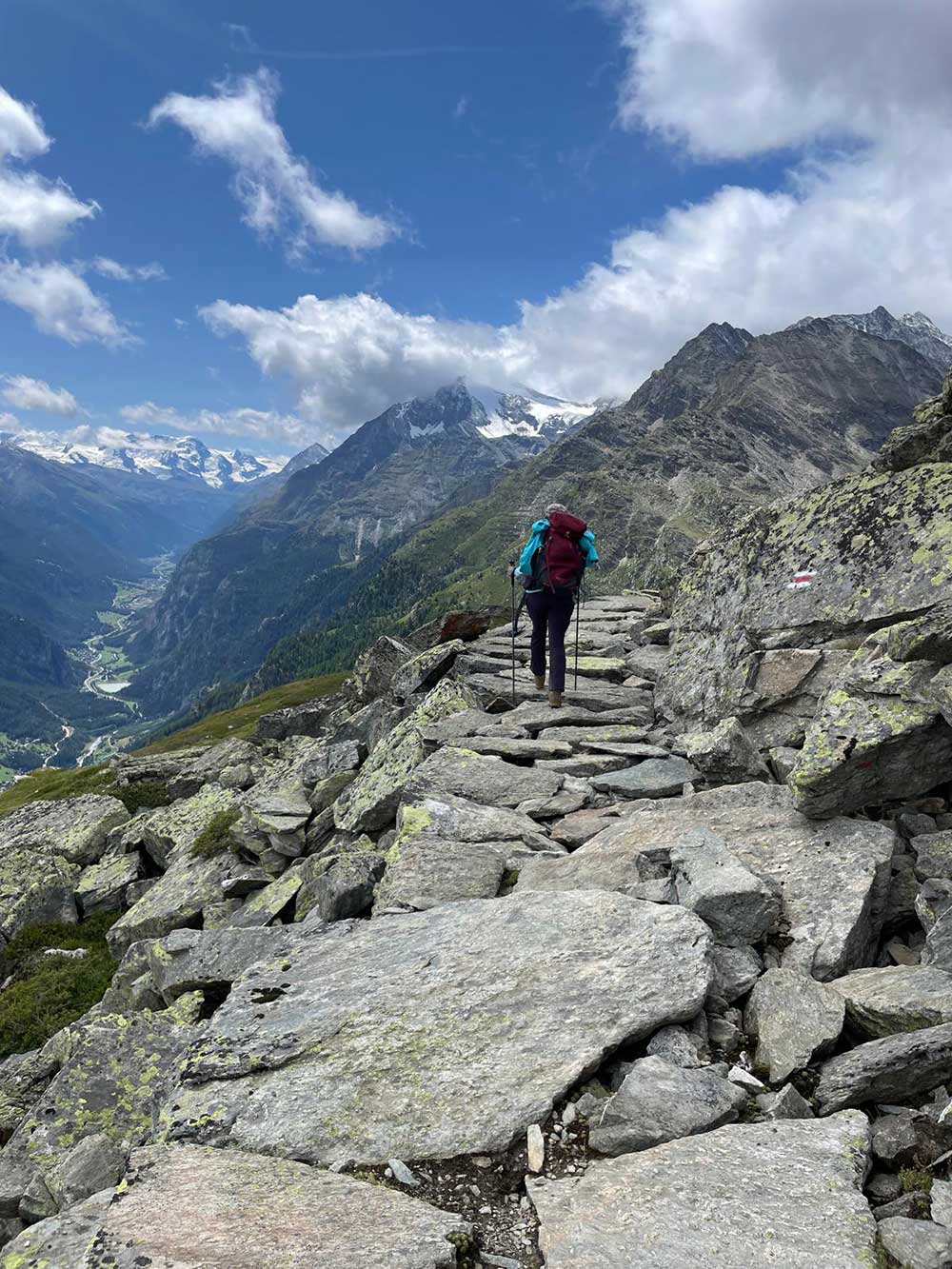
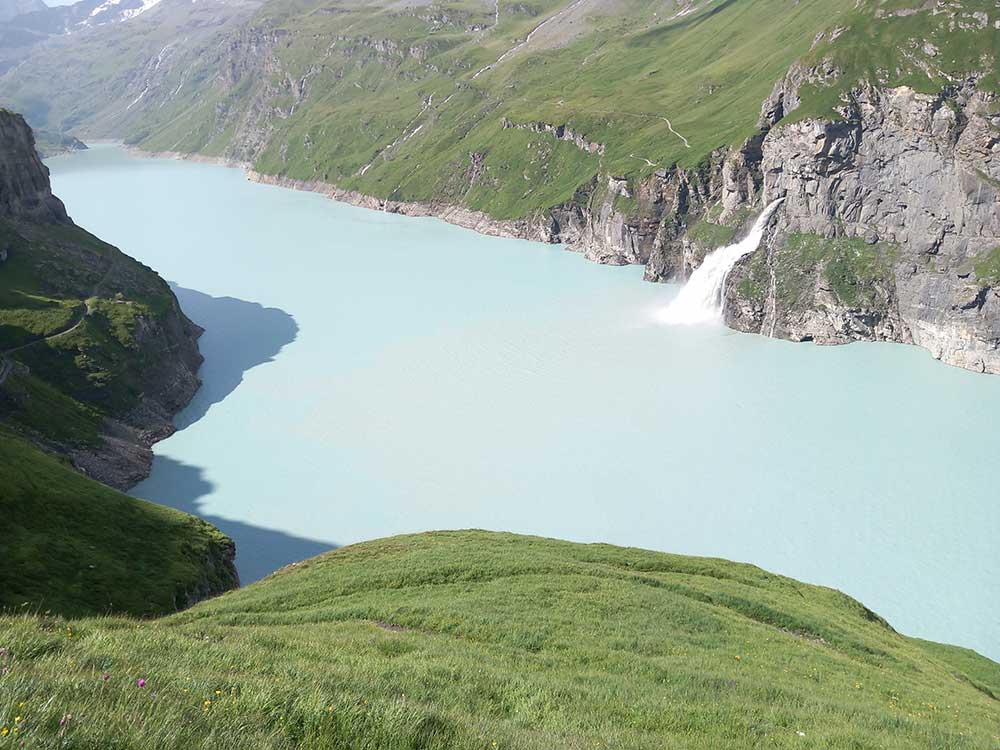
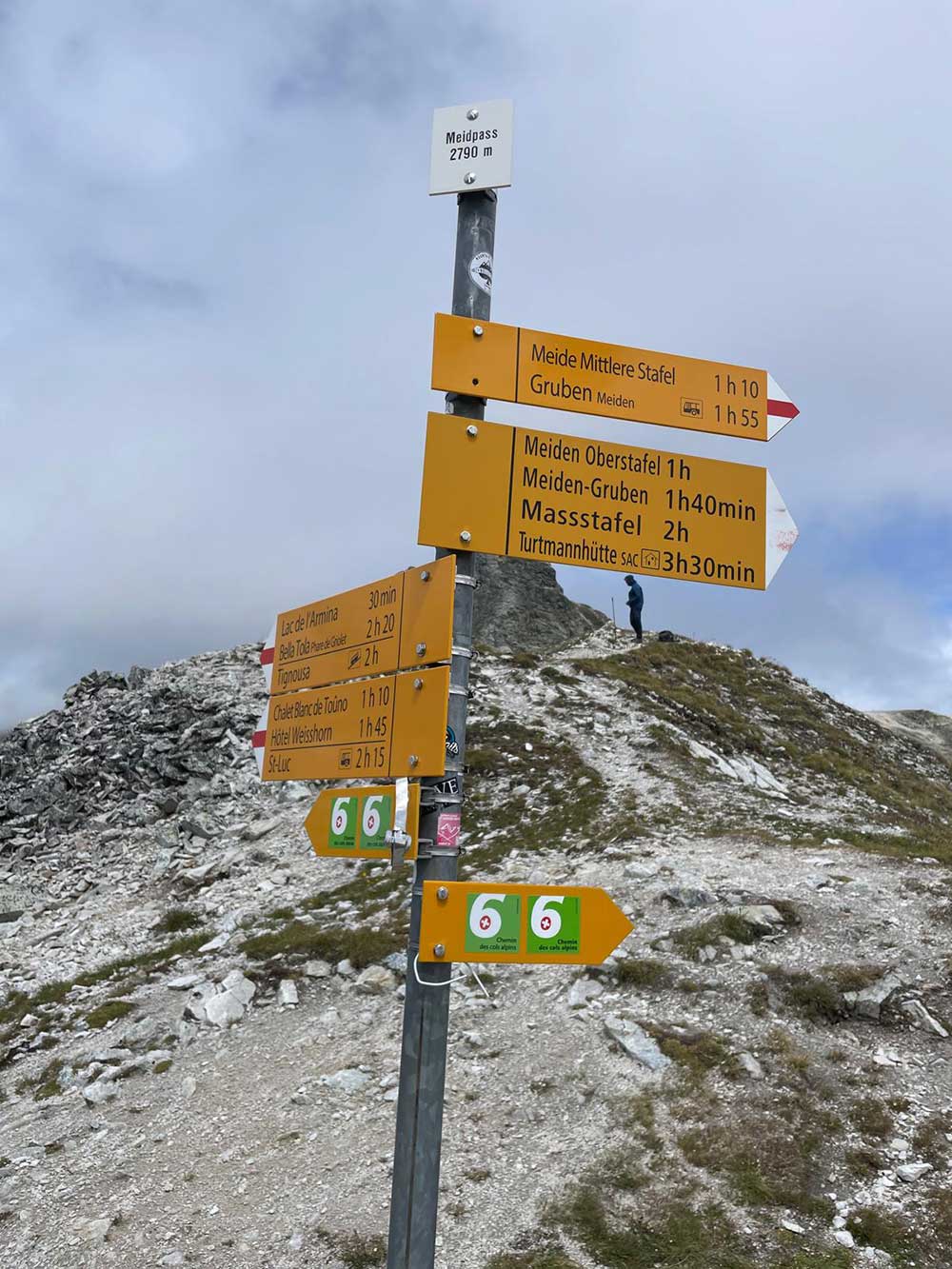
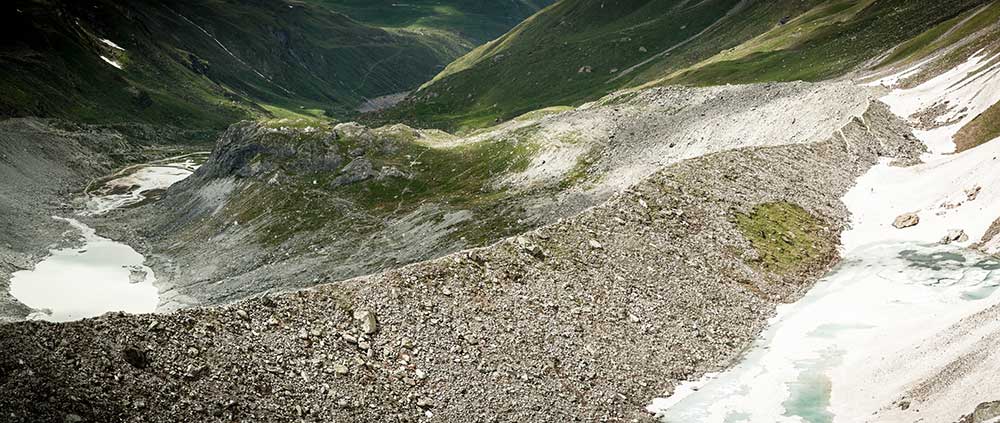
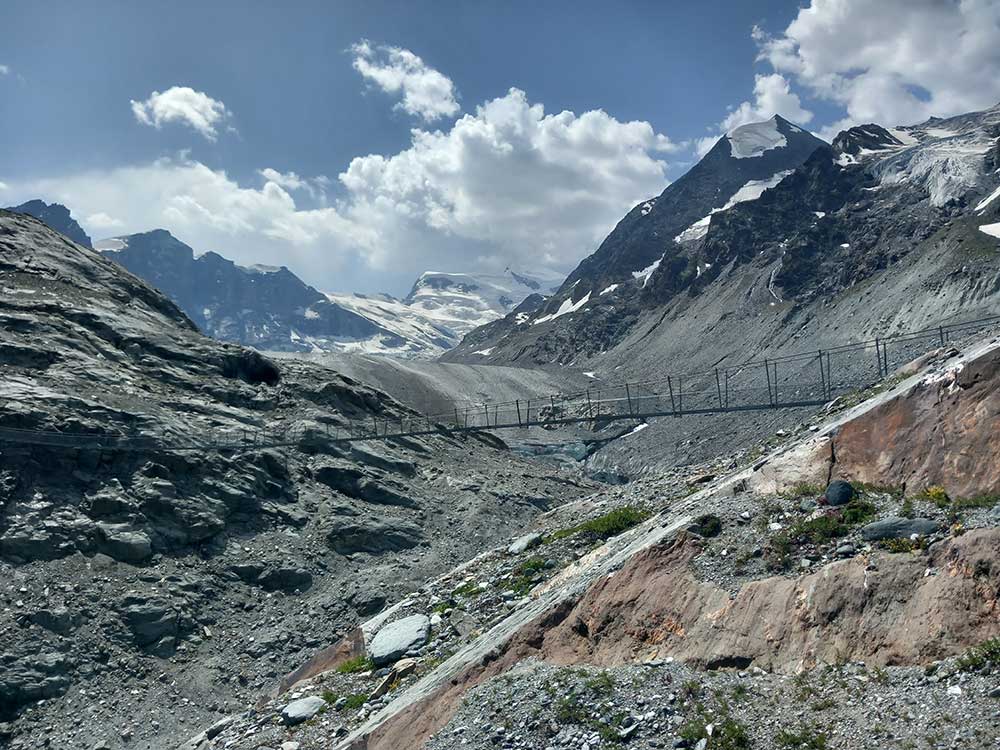
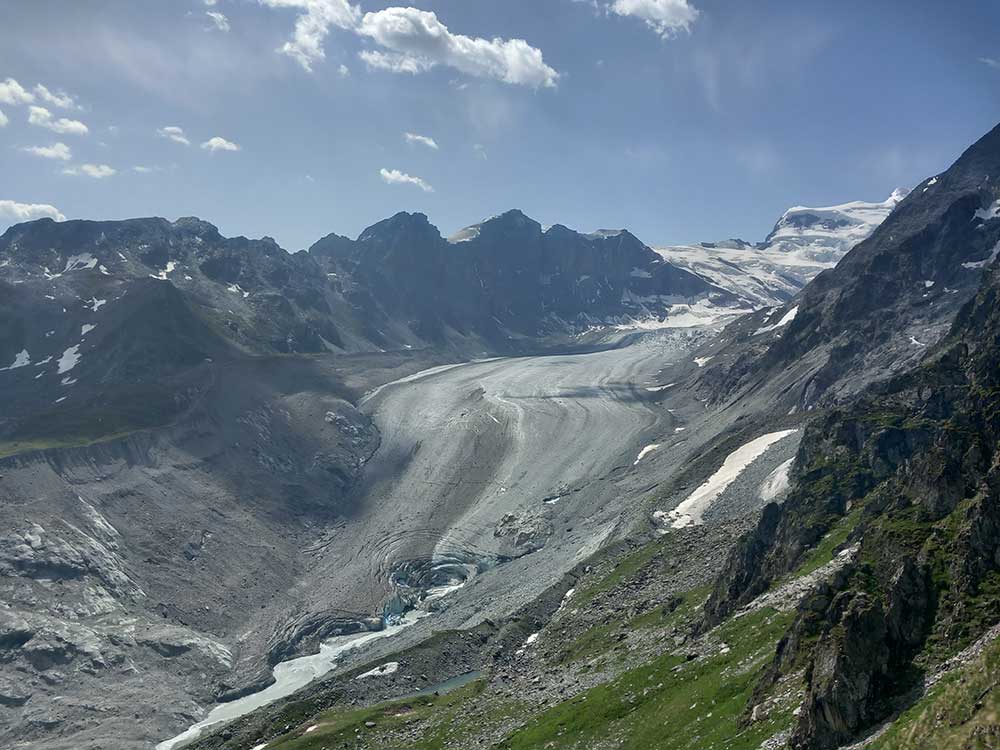
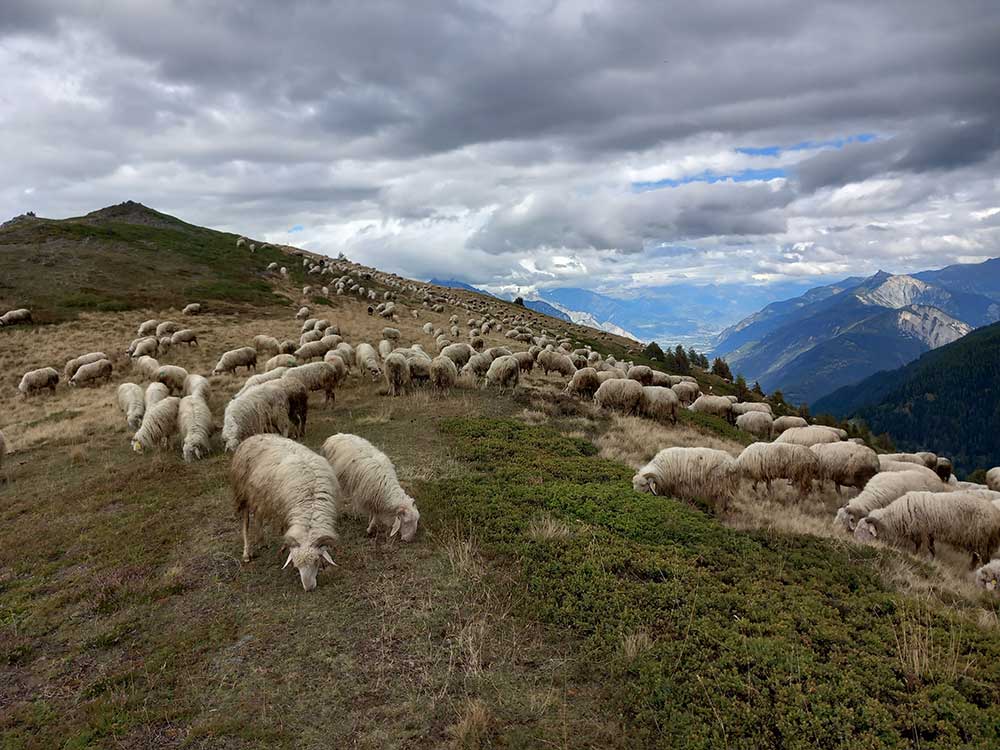
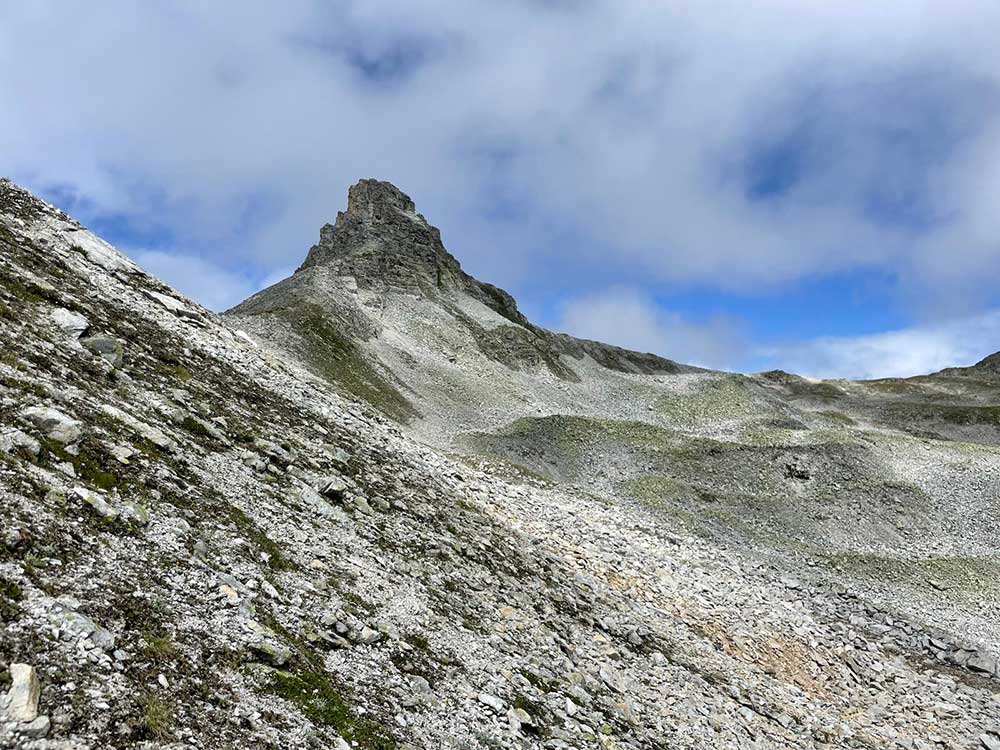
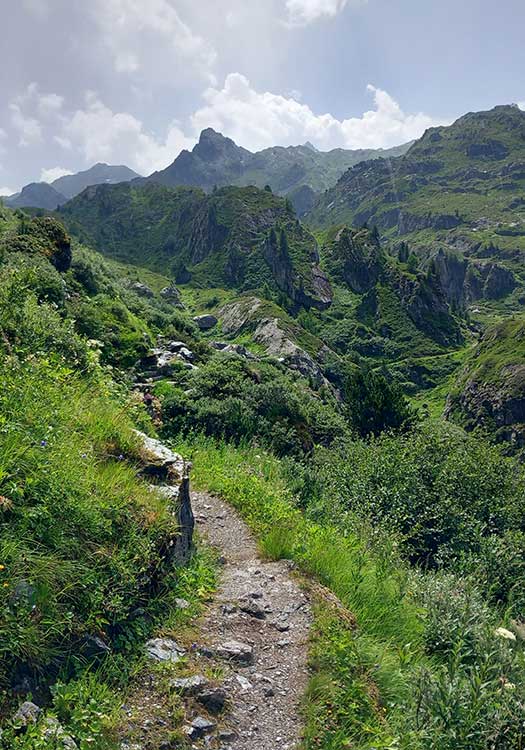

Cross one of the Alps’ most iconic hiking routes, the Haute Route from Chamonix to Zermatt. Perfect for experienced hikers, this multi-day trek links two legendary mountain towns, offering unrivalled views of Mont Blanc, the Matterhorn and countless other peaks. With its glaciers, steep climbs and picturesque valleys, this route is as challenging as it is rewarding.
Options include quick 6-day treks or immersive 10-day trips with extra rest days to fully appreciate the beauty of each stage. Highlights include panoramic ridgelines, glacier vistas and passage through charming Swiss villages. Whether you like technical itineraries or prefer picturesque detours, the Haute Route offers the perfect balance between adventure and comfort.
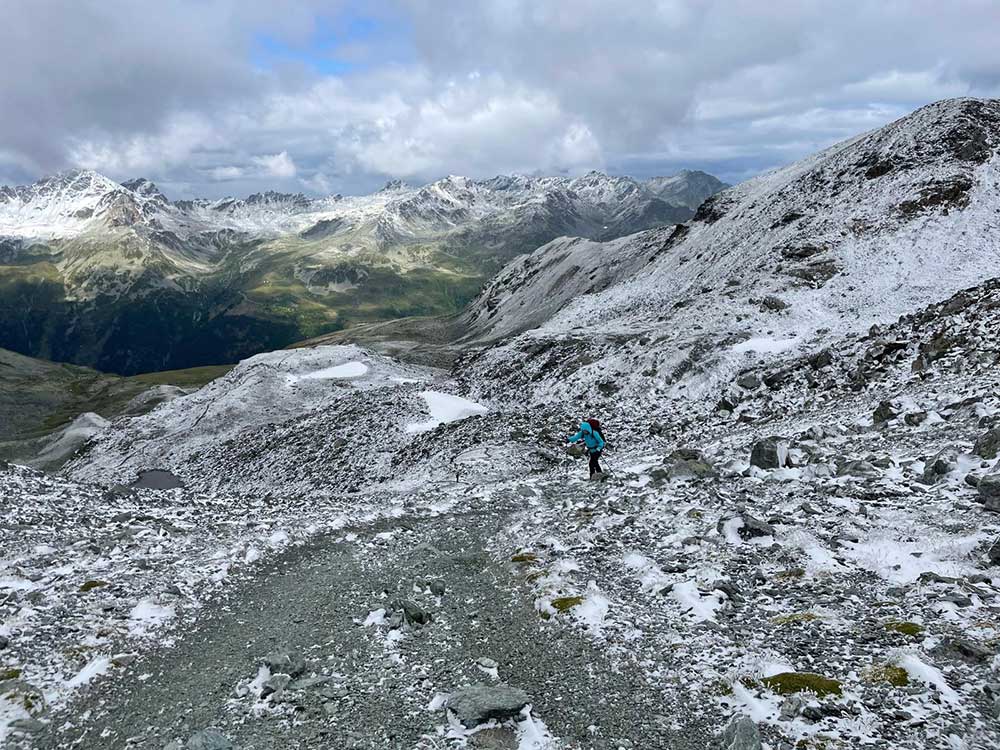
Key experience points
⏳ Duration: Flexible (3 to 10 days).
📍 Region: Valais Alps.
🧗 Level: Intermediate to advanced.
🛏️ Accommodation: Mountain inns.
💰 Price: Starting from 800 CHF per person.
Frequently Asked Questions — Chamonix–Zermatt Traverse
How long is the Chamonix–Zermatt traverse?
The classic Chamonix–Zermatt High Route covers approximately 180 km and crosses six Alpine passes above 2,500 metres. With Crapahuter, we offer flexible formats from 6 to 10 days depending on your fitness level and how much time you want to spend in each valley.
Is the Chamonix–Zermatt hike suitable for beginners?
This route is recommended for experienced hikers who are comfortable with multi-day alpine trekking, significant elevation gain (typically 800–1,200 m per day), and variable mountain weather. No technical climbing is required, but good physical fitness and proper mountain footwear are essential.
When is the best time to hike the Haute Route?
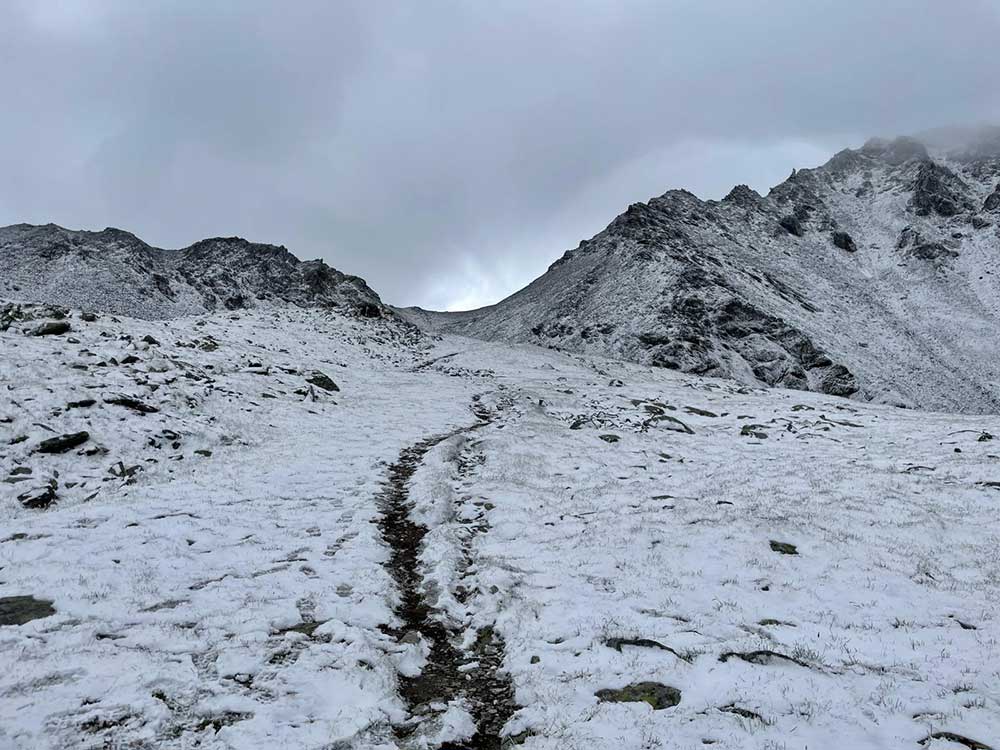
The best season is from late June to mid-September, when the high passes are snow-free and the mountain huts are fully open. July and August offer the most stable weather and the most vibrant alpine flora. Early July can still have snow on some passes.
What does the Crapahuter package include?
Our guided Chamonix–Zermatt experience includes: personal guide throughout the entire traverse, all accommodation bookings (mountain huts and hotels), luggage transfers between stages, detailed route documentation, and 24/7 support. Transport to the starting point and personal travel insurance are not included.
Do I need special equipment?
You will need sturdy hiking boots, trekking poles, a good daypack (30–40L), warm layers, a rain jacket, and sun protection. We provide a full equipment checklist after booking. No crampons or ice axes are required on the standard summer route.